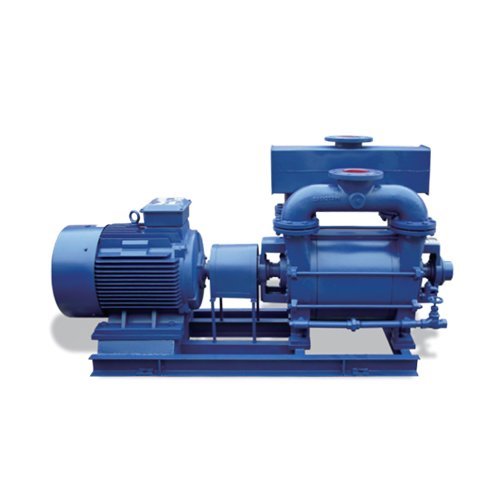
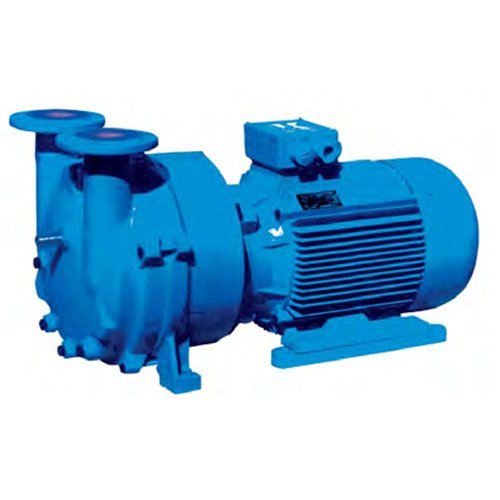
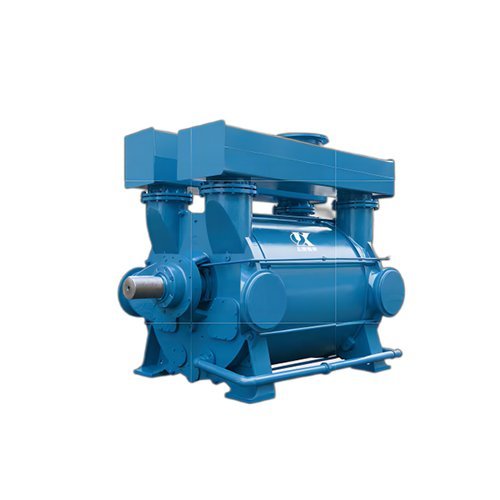
The water ring vacuum pump is a type of liquid ring vacuum pump. The sealing agent for the water ring vacuum pump can only be water, while the sealing agent for the liquid ring vacuum pump can be water, oil, sulfuric acid, toluene, and other liquid mediums. Water is the most commonly used working medium for the liquid ring vacuum pump, and the second most popular sealing agent for the liquid ring vacuum pump is oil.
As the manufacturer of water ring vacuum pumps, Shanghai Kaiquan Pump Group Co., Ltd. can produce various specifications of water ring vacuum pumps, compressors, complete vacuum water intake systems, and vacuum stations.
Liquid ring vacuum pumps can be classified into single-stage and two-stage pumps based on the number of impellers. Single-stage pumps have only one impeller, while two-stage pumps have two impellers. Due to their enhanced functionality, two-stage liquid ring vacuum pumps can adapt to more complex and demanding working environments. As a type of liquid ring vacuum pump, water ring vacuum pumps have extensive applications in vacuum filtration, vacuum distillation, vacuum sterilization, extrusion molding, impregnation, liquid degassing, compressed air regeneration, food processing, steam recovery, water pump water intake, condenser water tank refilling, drying, wood processing, solvent recovery, soil purification, vacuum packaging, leather production, and other scenarios.
As the working medium of water ring vacuum pump is water, it exhibits stable compression gas temperature. Since the temperature is isothermal, the water ring vacuum pump can extract flammable and explosive gases and gases containing dust and water. Additionally, there is no need for regular lubrication of the pump chamber in daily operations. The water ring vacuum pump provides uniform gas suction, operates quietly, and maintains stability. However, due to the influence of the working medium, the ultimate vacuum pressure produced by the water ring vacuum pump is limited to 4000 Pascal. The operating efficiency and vacuum level of the water ring vacuum pump are lower than those of other liquid ring vacuum pumps that use oil as the working medium.
he high-speed rotation of the impeller in the water ring vacuum pump causes the working fluid to form a liquid ring under the action of centrifugal force. As the impeller continues to rotate, the gap between the impeller and the casing changes continuously, leading to the compression of the gas. The heat in the gas is absorbed and compressed by the working fluid, and when the impeller rotates to the outlet of the vacuum pump, the gas is squeezed and discharged from the pump. This continuous process generates liquid ring formation, gas suction, compression, discharge, and circulation, which maintains the vacuum state within the pump.
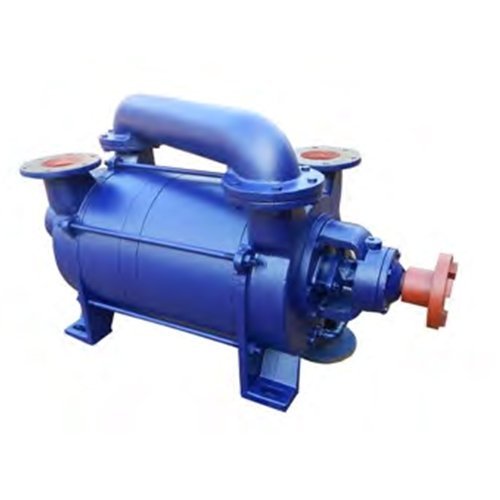
The water ring vacuum pump is composed of components such as the impeller, pump body, distributor, side cover, shaft, shaft sleeve, and shaft seal. The materials for the pump body, impeller, and distributor can include cast iron, carbon steel, 304 stainless steel, 316 stainless steel, 316L stainless steel, duplex steel, titanium, and other materials to meet the requirements of different working conditions.
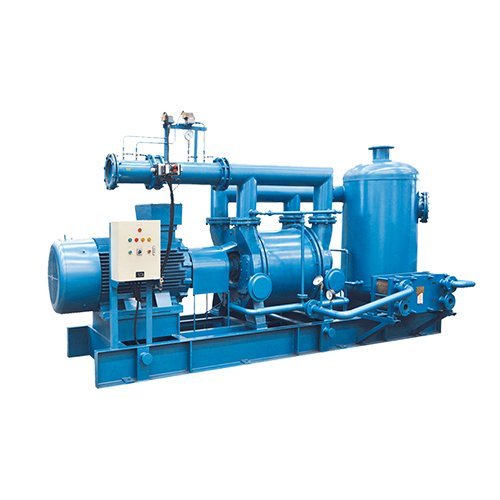
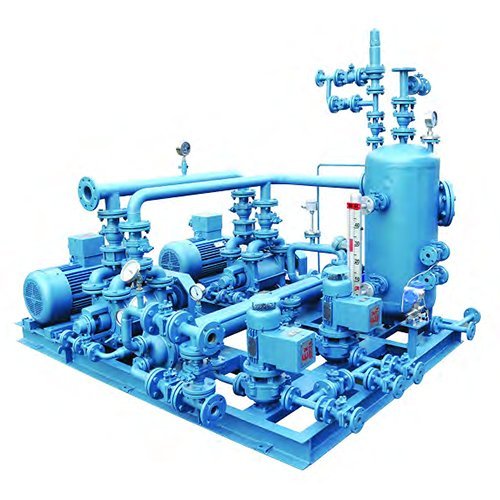
The water ring vacuum pump and compressor package includes vacuum pumps, gas-liquid separators, heat exchangers, internal pipelines, instrumentation, valves, and integral bases. The products are widely used in industries such as chemical and pharmaceuticals for conveying toxic, flammable, and explosive gases.
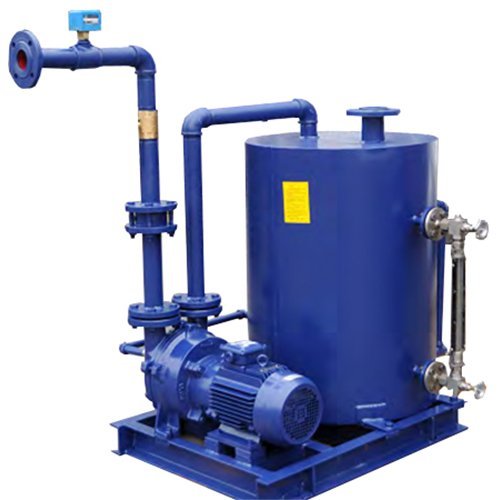
The YS series vacuum water intake system is suitable for water supply systems in waterworks, thermal power plants, steel plants, sewage treatment plants, chemical plants, water conservancy and irrigation projects, and marine aquaculture. It can also be used for siphoning in dock oil depots, vacuum conveying in the food industry, and vacuum siphoning in the chemical industry. With various specifications and configurations, it meets the requirements of different working conditions.
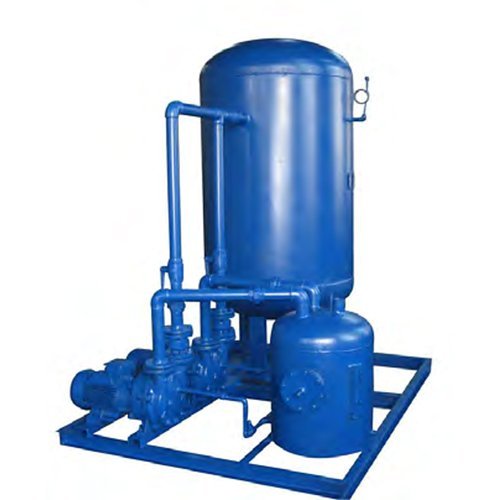
The KZF series vacuum station utilizes one or two water ring vacuum pumps as vacuum acquisition equipment and vacuum tanks as vacuum storage equipment in a complete system. In situations where a frequent vacuum source is required but the amount of air extraction is not significant, this system greatly saves energy compared to directly using a vacuum pump and effectively prolongs the service life of the vacuum pump. This device can serve as a vacuum source for medical gas central stations in various large and medium-sized hospitals in China, and it is widely used in vacuum stations in the chemical and pharmaceutical industries, canning systems in the light industry, negative pressure molding of rubber and plastic engineering components in the automotive industry, impregnation of flame-retardant conveyor belts in coal mines, and casting vacuum sources in the foundry industry.
Send Your Inquiry Today