Sewage Treatment Equipment

Public Health and Environmental Benefits of Sewage Treatment Equipment

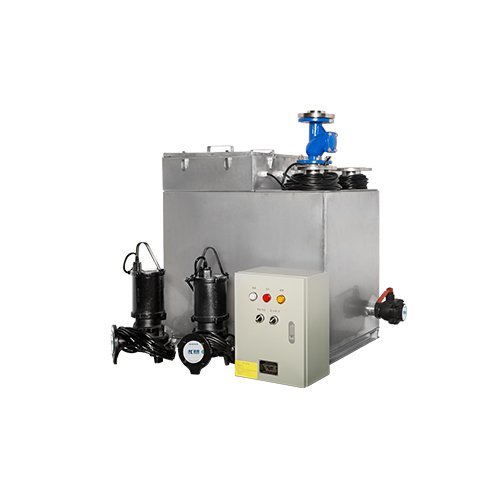
By purifying wastewater before discharge, mini sewage treatment plant helps protect the environment. Since pollution control and water management are becoming more important, small sewer treatment plant demand has increased.

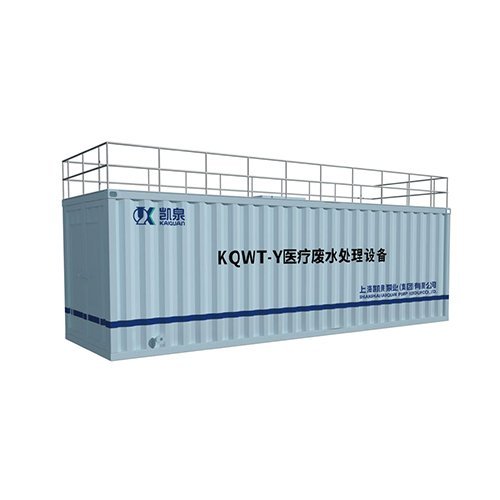
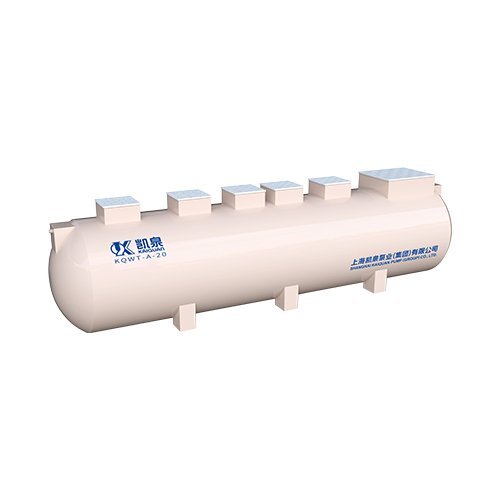
Due to its modest size and capacity to efficiently treat wastewater from small communities, apartment complexes, and commercial entities, tiny sewage treatment facilities have become popular. These smaller plants treat sewage, making them perfect for spaces with limited space or where conventional sewage treatment equipment is not viable.

Packaged sewage treatment plants are another modern wastewater treatment option. Ready-to-install pre-fabricated systems save time and money by being easy to transport and set up. Package sewage treatment plants can be tailored to fit unique needs, making them suited for rural locations, construction sites, and temporary communities.

Besides micro and packaged sewage treatment facilities, small ones are also popular for their decentralized wastewater treatment options. These compact systems can be installed near generating, avoiding the requirement for vast sewer networks and untreated wastewater outflow.

Finally, sewage treatment equipment—mini, bundled, and small—protects public health and the environment. Building robust and sustainable water management infrastructure requires investing in modern sewage treatment technology as water pollution and scarcity rise worldwide.

Mining company

Mining company

Mining company

Mining company

Mining company

Mining company

Mining company

Mining company

Features

Preventing Disease Transmission: Untreated wastewater is a breeding ground for waterborne diseases such as cholera, dysentery, typhoid fever, and hepatitis. Treatment equipment kills harmful bacteria, viruses, and parasites through disinfection processes (such as chlorination, ultraviolet disinfection, or ozone treatment), breaking the chain of disease transmission.

Protecting Drinking Water Sources: Wastewater treatment plants protect natural water sources such as rivers, lakes, and groundwater from pollution by purifying wastewater. These sources are often the source of drinking water for communities, and ensuring their safety is crucial.

Reducing Exposure to Hazardous Chemicals: The treatment process removes toxic substances, including heavy metals, pesticides, drug residues, and industrial chemicals, preventing human exposure to these harmful substances through contaminated water sources or the food chain.

Improving overall community sanitation: Effective wastewater management can eliminate foul odors, unsanitary conditions, and pest infestations, thereby comprehensively improving the quality of life and public health in the community.

Get a quote

Send Your Inquiry Today

Contact Information
Product Information
Frequently Asked Questions