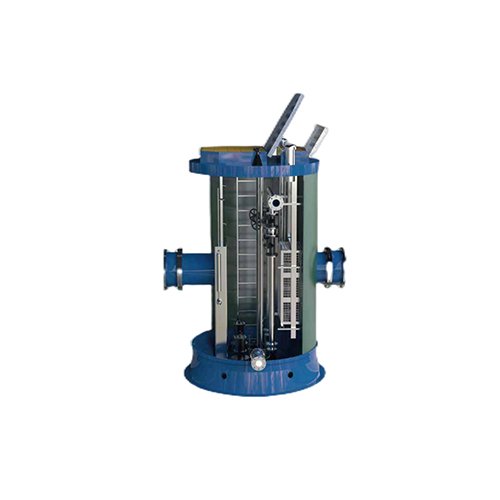
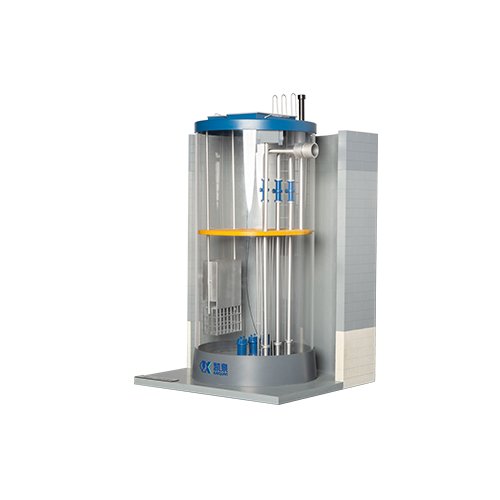
Rainwater and sewage separators (or stormwater and sewage diversion systems) are key equipment or mechanisms in modern urban drainage systems for achieving “rainwater and sewage separation.” They are designed to treat relatively clean rainwater runoff separately from domestic sewage and industrial wastewater containing pollutants.
Core Principle: In traditional combined sewer systems, rainwater and sewage share the same pipes. This leads to the following problems:
Pollutants flowing into natural water bodies:*Untreated sewage is discharged directly into rivers or oceans, causing water pollution, foul odors, and mosquito breeding.
Sewage treatment plant overload: During heavy rains, large amounts of rainwater flood sewage treatment plants, leading to insufficient treatment capacity and overflow of inadequately treated sewage.
Sewage treatment plant overload: The function of a stormwater and sewage separator is to separate the two at the source or at a specific interception point:
Stormwater: Discharged directly into roadside ditches or nearby water bodies (such as rivers) through stormwater pipes; some can be used for secondary water needs such as landscaping and fire fighting.
Sewage: Collected and directed into a dedicated sewage sewer system, then sent to a sewage treatment plant for purification.