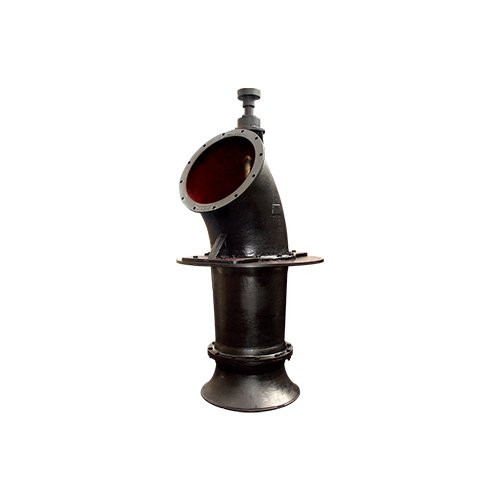
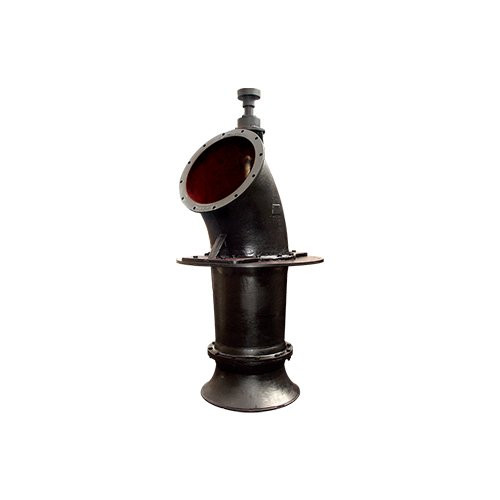
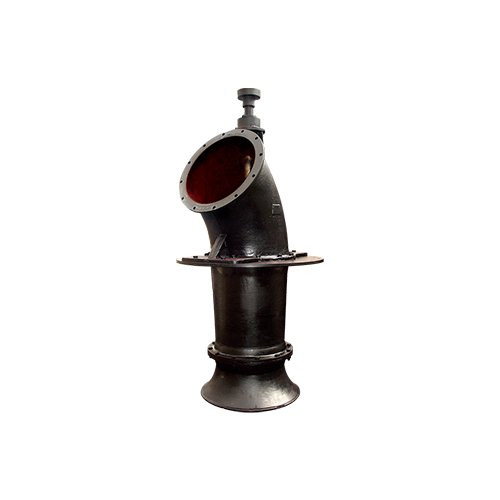
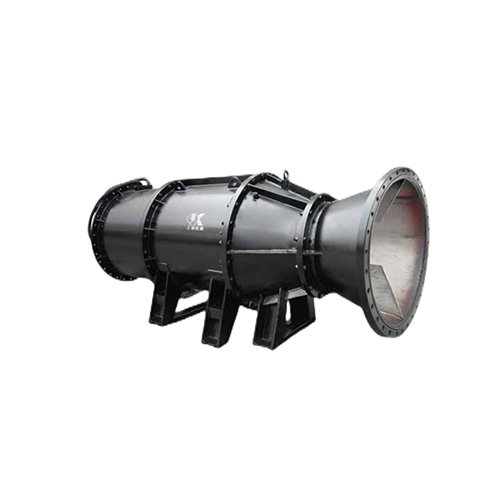
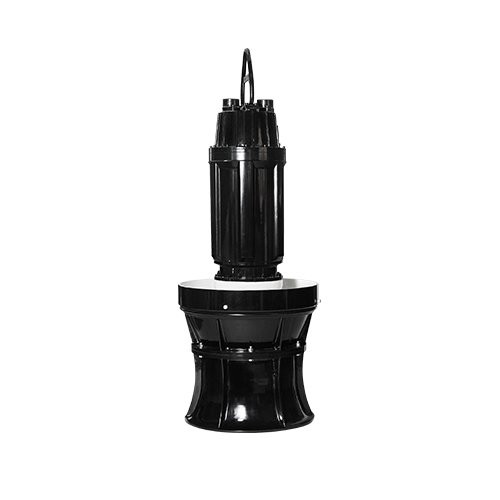
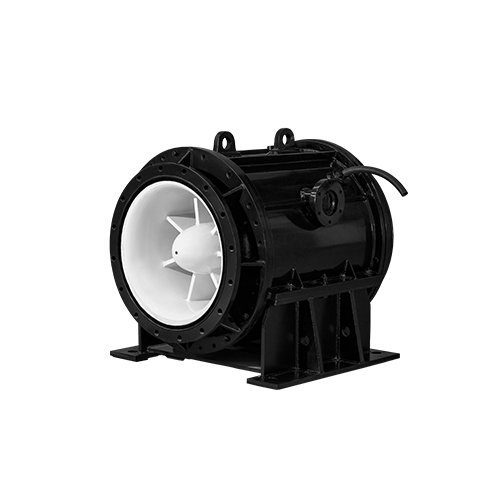
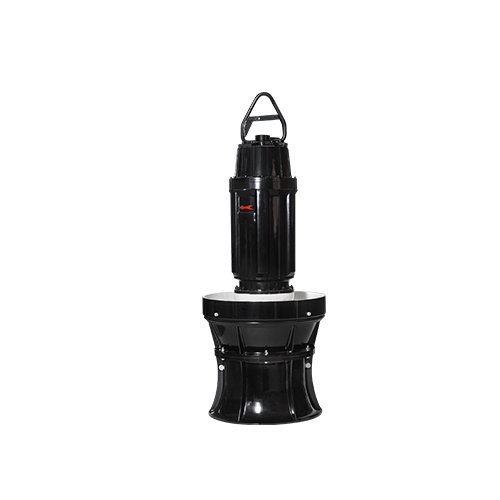
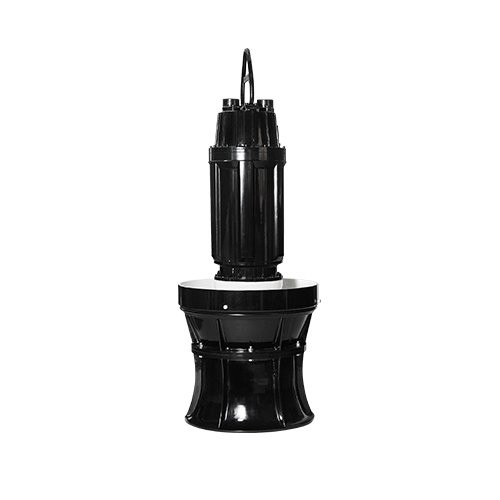
Axial flow pumps, also known as propeller pumps or axial column pumps, use electric or diesel engines that drive their propeller impellers. The propeller impeller generates lift force and directs fluid outward. Axial flow pumps flow liquid along the axis, while radial flow pumps flow fluid radially. The pump inlet and impeller diameter of an axial flow pump are the same.
Cast iron, ductile iron, bronze, 316 stainless steel, and Cd4MCu axial flow pumps may carry several fluids. They are used in agriculture, wastewater treatment, aquaculture, and drainage.
Fluids are propelled axially by centrifugal axial flow pumps. These pumps work well in irrigation and flood control systems with high volumes and low heads.
Submersible axial flow pumps are ideal for mine and deep well drainage. High efficiency and minimum maintenance make them excellent for sustained operation in harsh situations.
Pumping stations and water intake structures use vertical axial flow pumps. Compact design saves space and makes maintenance easier.
Centrifugal, submersible, and vertical axial flow pumps provide efficient and reliable fluid transport solutions for diverse sectors.
Axial flow pumps are characterized by a high flow rate and low head, with the flow rate increasing as the head decreases. Axial flow pumps are suitable for applications with low head requirements and high flow rate requirements. The flow rate of liquid transported by an axial flow pump is determined by the size and speed of the impeller. Due to the design of the propeller impeller for efficiently transporting large volumes of liquid rather than lifting liquid to greater heights, axial flow pumps have relatively low heads.
Axial flow pumps are typically used individually and can be used in parallel under special circumstances, but not in series. The inlet of an axial flow pump needs to be submerged in water during operation. Additionally, due to the relatively simple structure of axial flow pumps, they are easier to maintain and have a longer lifespan.
Axial flow pumps are divided into horizontal axial flow pumps and vertical axial flow pumps, low-pressure axial flow pumps and high-pressure axial flow pumps, as well as submersible axial flow pumps. Submersible axial flow pumps, also known as submersible column pumps, are submerged in water.
When not in operation, the inlet of a horizontal axial flow pump is not submerged in liquid, so the components of the pump are in a dry environment, resulting in a longer service life compared to vertical axial flow pumps.
Axial flow pumps can be installed in dry, wet well, and submerged configurations.
In daily life, they are commonly used for flood control and drainage, quickly discharging large amounts of water. In agriculture, axial flow pumps are used for irrigation and water diversion. In power plants, axial flow pumps are used to extract large amounts of water from water sources for cooling the main condenser. In chemical plants, they serve as circulation pumps for large quantities of liquid, such as in the evaporation and crystallization processes of potassium salt production. Additionally, axial flow pumps can be used for circulating polyethylene and polypropylene slurries, as well as for pumping abrasive, corrosive, or other slurries.
As an Axial Flow Pump Manufacturer, Kaiquan Pump Group offers high-quality axial flow pumps at reasonable prices, with a long product warranty. We provide the following models of axial flow pumps for customers to choose from:
Send Your Inquiry Today